
Comuna 13 history begins with a lived-in place
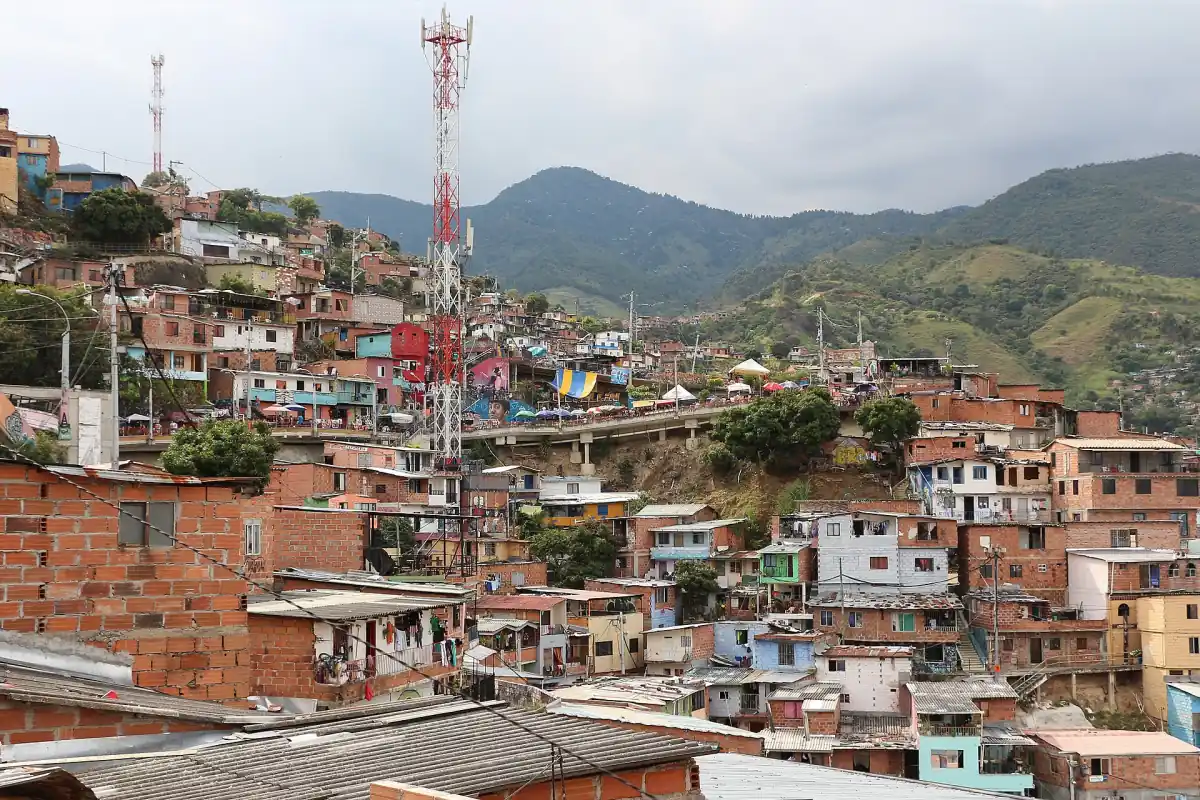
San Javier is Comuna 13 in western Medellín. The visitor route through Veinte de Julio and Las Independencias covers part of that larger area. Keeping this geography in mind helps when listening to accounts of the neighbourhood: a view from a painted staircase shows one part of a larger residential area. The place you visit is both a residential environment and part of a broader urban history.
The history includes armed conflict, displacement and disappearance, along with community work and changing infrastructure. Read it without reducing the neighbourhood to a single episode. A walk can introduce these subjects through conversation and art, while remembrance remains a continuing concern for residents. The art-focused guide explains how interpretation can form part of a visitor encounter.
Mariscal and Orión are separate operations
Operación Mariscal took place on 21 May 2002. In its retrospective of 21 May 2026, the National Centre for Historical Memory describes civilian confinement, displacement and damage to community structures in the setting of armed confrontation. Giving this operation its own place in the chronology avoids collapsing different experiences into a single event.
Operación Orión began on 16 October 2002 and continued through November into early December. The centre’s historical account, published on 14 October 2022, describes an intervention involving the military, police and other state bodies against suspected supporters of guerrilla militias. Its discussion of paramilitary participation explicitly attributes reports to testimony by Don Berna. Keep that attribution in mind when discussing responsibility.
The same account explains that the paramilitary Bloque Cacique Nutibara occupied spaces left by guerrillas and that human rights abuses continued. Displacement, disappearance and the population’s remembrance belong to this history. Orión should therefore not be treated as a neat ending to the conflict. An account of neighbourhood change needs room for continuing consequences, rather than a simple before-and-after story.
A guided historical overview
This guided visit includes a historical and cultural overview of the area.
Hand-picked tours, booked through GetYourGuide. Prices are indicative starting prices in US dollars (as of October 2026). Tap a tour for live availability and the current price in your currency.
A guided introduction to the area’s history
A neighbourhood walk brings a historical and cultural overview together with public transport, a viewpoint and live performance stops with a cancellation refund condition.
What a historical and cultural visit offers
The four-hour guided Comuna 13 visit starting at Poblado metro station includes a historical and cultural overview alongside metro, Metrocable and bus transport. It also includes accompaniment throughout, a viewpoint stop and an accompanied return to the original metro station. This is an introduction to the area through a neighbourhood visit, with cultural activities as part of the programme.
Time for live freestyle and dance shows comes with a refund condition if a show is cancelled. A Colombian food tasting and a jewellery and emeralds experience are also included. Choose the walk for that combination of context, transport and activities. Read the music and dance guide if the different performance formats matter most to your decision. The historical overview is one component of this wider visit.
Remembrance, art and community work
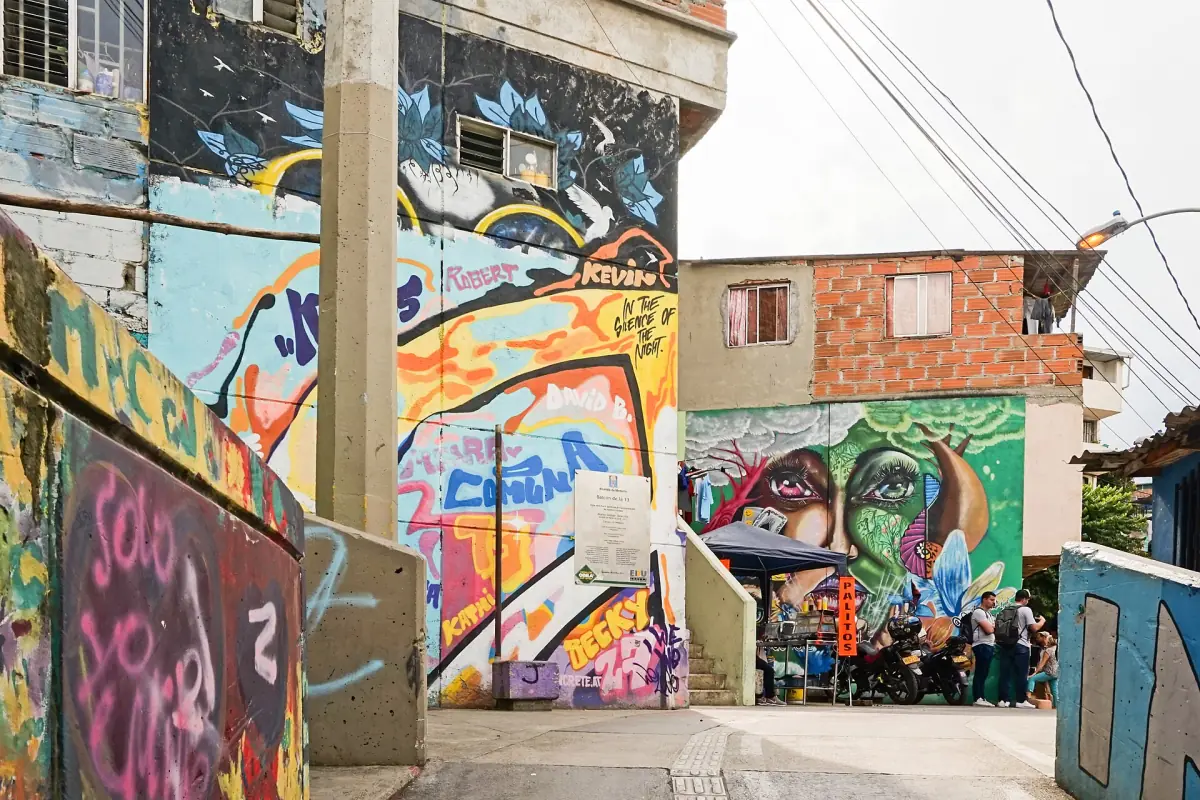
The city’s account of the visitor corridor links graffiti, music and remembrance through Veinte de Julio and Las Independencias. Local hip-hop culture also includes educational and community work. Understanding the street art this way gives space to what people are expressing, beyond the colour of a wall or its usefulness as a backdrop.
Listen before asking for a picture and let residents choose how much they want to share. Questions about an artwork and its context can open a conversation without expecting a stranger to recount personal trauma. The official cultural visiting advice emphasises listening, asking permission for photographs and buying locally. Those habits make a history-focused walk more considerate in a place where everyday life continues around visitors.
Infrastructure and change without a final chapter
The outdoor escalators opened on 25 December 2011. The city’s August 2026 reporting presents them as everyday transport and describes residents, local workers and small businesses around the installation. Infrastructure and cultural work are visible parts of change, alongside the people using and maintaining the neighbourhood.
Keep current travel precautions alongside the historical context. FCDO advice for Medellín calls for discreet valuables, little cash and greater caution after dark or when alone. It recommends licensed taxis booked by telephone, online or through accommodation. Neither an artwork nor a new transport installation answers every question about a residential area. Plan your route and listen to local guidance while leaving space for a complex history that continues beyond the visit.
Questions about your visit
Are Mariscal and Orión the same event?
Mariscal took place on 21 May 2002. Orión began on 16 October 2002 and continued into early December. They have separate places in the neighbourhood’s conflict history.
What part of Comuna 13 do visitors usually discuss here?
The walking corridor includes Veinte de Julio and Las Independencias, within the wider San Javier area. Keep the distinction between that corridor and the full Comuna in mind.
How can I approach remembrance respectfully?
Listen to local explanations, ask before photographing residents and avoid demanding personal accounts. Allow the people speaking to decide which experiences they want to share.